After a machine is delivered, who updates its software? Which applications can the customer’s maintenance provider reach? If a component vulnerability is reported, who identifies the affected customers?
The Cyber Resilience Act brings those questions into product design and lifecycle support. For a machine builder selling connected equipment in the EU, preparation needs engineering, product management, service and sales to agree on the product they will support.
Define the product before assigning the work
The CRA regulates cybersecurity for products with digital elements made available on the EU market. Scope includes intended or foreseeable direct or indirect connections to another device or network. Checking only whether a machine is directly exposed to the internet misses part of the assessment.
Review the controller, HMI, industrial computer, local applications and remote processing needed for the product’s functions. Establish what you offer under your name and which functions form part of that offering. This boundary determines the evidence you need from suppliers and the responsibilities your own team must cover.
Reporting is already an operating responsibility
The main CRA requirements apply from 11 December 2027. Article 14 reporting duties for actively exploited vulnerabilities and severe incidents affecting product security began on 11 September 2026.
The Commission’s implementation timeline separates these stages. Earlier products also need consideration for reporting. For other requirements, whether a product placed on the market before the main application date undergoes a substantial modification afterwards matters.
Reportable events require an early warning within 24 hours of awareness and a fuller notification within 72 hours. The final report for an actively exploited vulnerability is due within 14 days after a corrective measure becomes available. For a severe incident, it is due within one month of the 72-hour notification. The CRA reporting guidance explains both processes.
Turn those clocks into a usable service procedure. Identify the receiving address, assessment owner, backup and customer communication owner. A machine stoppage is not automatically a reportable cybersecurity incident; the team must assess its effect on product security.
Make the sales promise match the support plan
Consider an illustrative machine intended for twelve years of use. A software component in its design reaches the end of supplier support after five years. Engineering needs a plan to update, replace or otherwise maintain that component while supporting the machine.
The CRA support period must reflect expected product use and is generally at least five years, with a shorter-use exception. The minimum does not establish a five-year answer for every industrial machine.
Sales should be able to explain the support end and update method. Purchasing should know supplier support dates. Engineering should identify the tests needed when a dependency changes. Service should be able to locate the version installed at the customer. These decisions affect product cost and maintenance planning.
Give service access a clear owner
Imagine that a customer changes its maintenance provider. Access for the old provider must be removed, and the new provider needs the appropriate permissions. The process should not depend on sharing one password or opening the entire machine network.
Define access around applications and resources. A technician reading diagnostics and an engineer changing a PLC program need different permissions. Record the customer’s approval, the intended resource and who will remove access when the task ends. Make removal as easy to find as granting access.
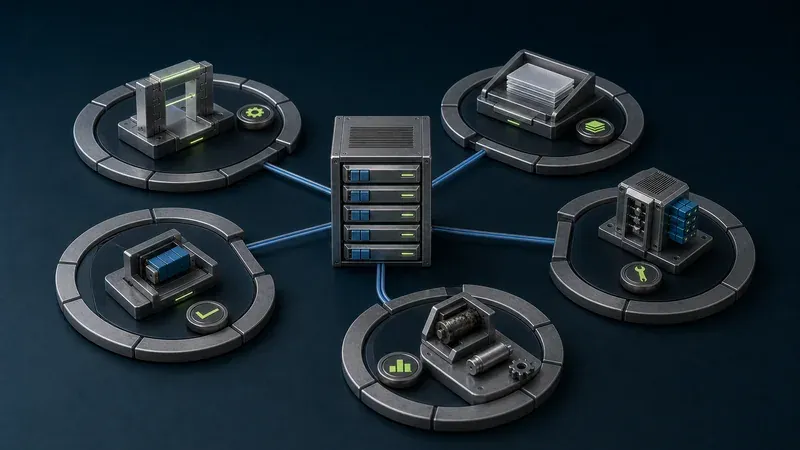
Orenda Connect provides encrypted connectivity over Diode’s peer-to-peer network. Authorized users reach selected resources without public inbound service ports. Organization users and groups provide the basis for permissions. Connect does not require dedicated hardware.
Plan local applications and hardware separately
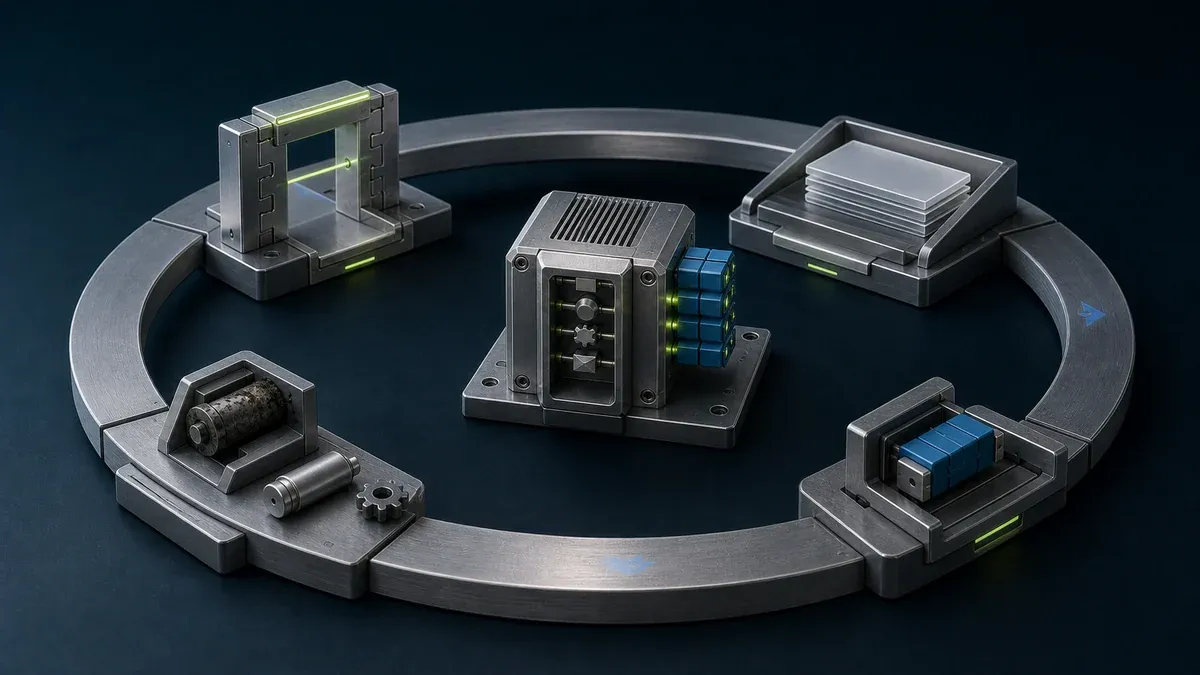
Where the machine needs local data collection and applications, Orenda Box provides that environment. It offers a TPM root of trust, signed update releases and 10-year hardware availability. Hardware availability is a separate commitment from the software security-support period. State both in the product plan.
App Market applications use shared identity and access controls. The Box administrator approves their requested permissions. Developers can build those controls into their application design, while the machine manufacturer records the installed applications and grants as part of the delivered configuration.
What should be ready at product release?
For products in scope, the applicable conformity assessment, EU declaration of conformity and CE marking belong in release preparation. The team must be able to explain how the design addresses the cybersecurity requirements. Component records, security tests, update instructions and customer information should describe the version being delivered.
Track three practical decisions at the release meeting: assessment and correction of known vulnerabilities; verification of customer and service permissions; and ownership of support and reporting. Use the CRA technical documentation guide to connect the detailed records.
In an Orenda service architecture discussion, we can review how your team reaches machines today and how a correction reaches a customer. Access, local applications and support records can then fit the lifecycle of the product you deliver.